
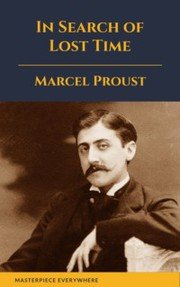
Book · 1919 · Fiction
A la recherche du temps perdu
- episode
- 1
- podcast
- 1
- person
- 1
- episodes recommend it
- 0
Within 50 years, 60 years, Marcel Proust writes his great novel, À la recherche du temps perdu, at the center of which he places a man, a character, a Swann, who is obsessed by Vermeer.
Why people recommend it
A la recherche du temps perdu, translated into English as In Search of Lost Time or Remembrance of Things Past, is Marcel Proust's monumental multi-volume novel exploring memory, time, and early twentieth-century French society. On an episode of Conversations with Tyler, Andrew Graham-Dixon discussed the novel, pointing out that Proust placed a character named Swann at the center of the narrative who harbored a profound obsession with the painter Vermeer. Separately, on People I (Mostly) Admire, host Steve Levitt brought up the famous work when discussing human memory and the cultural phenomenon of people pretending to have read lengthy and complex masterpieces. Levitt used the massive book as a humorous reference point for intellectual pretensions while exploring how individuals navigate complicated cultural touchstones. Proust's masterpiece is universally recognized for its sprawling length, intricate sentence structures, and deep psychological insights into involuntary memory, particularly famously triggered by the taste of a madeleine. The novel remains a monumental achievement in world literature, frequently debated and studied for its exploration of artistic creation, social snobbery, and the relentless passage of time. Despite its intimidating size, it continues to captivate readers and scholars who are willing to immerse themselves in its vast and detailed fictional universe.
Every mention
Andrew Graham-Dixon Within 50 years, 60 years, Marcel Proust writes his great novel, À la recherche du temps perdu, at the cent… 1
“Within 50 years, 60 years, Marcel Proust writes his great novel, À la recherche du temps perdu, at the center of which he places a man, a character, a Swann, who is obsessed by Vermeer.”