Book
Holy Blood, Holy Grail
- mentions
- 5
- people
- 3
- podcasts
- 3
- episodes
- 5
- recommendations
- 0
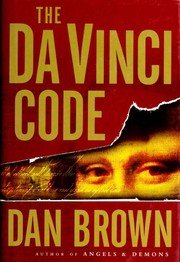
And I actually read, it was based, a lot of the theory was on a nonfiction book called Holy Blood, Holy Grail, which I had read.
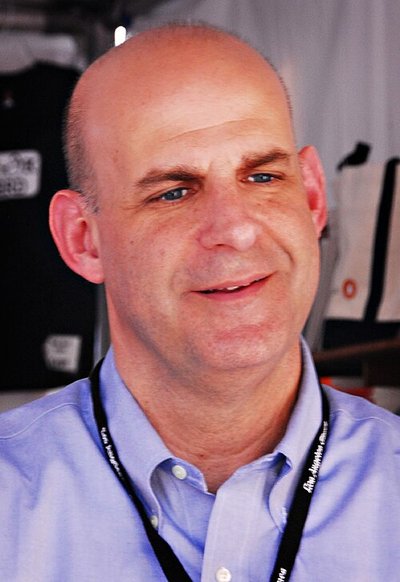 Harlan Coben · Freakonomics Radio · Aug 2026
The best things said about it
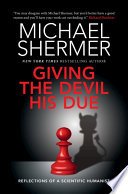
Before Dan Brown, there was a book called "Holy Blood, Holy Grail.
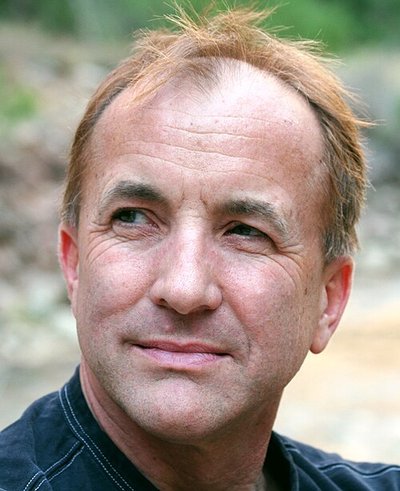 Michael Shermer The Rubin Report · Apr 2020
It made me think of the book Holy Blood Holy Grail.
We did do a episode on the book Holy Grail Holy Blood U which I think is a very popular like kind of in conspiracy circles.
In 1982, the author of a book called The Holy Blood and the Holy Grail speculated that the painter you had mentioned earlier, uh, Poussin, was a member of what's called the Priory of Sion! And we remember we interviewed, uh, the daughter of one of the authors; Vent was her last name, I believe! Uh, fascinating story!
Where and when it comes up
Most mentions, by podcast
Why people recommend it
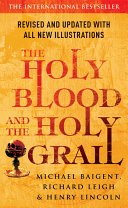
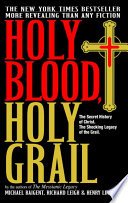
Holy Blood, Holy Grail by Michael Baigent, Richard Leigh, and Henry Lincoln is a 1982 pseudohistorical book that speculates on alternative Christian history, including the bloodline of Jesus and the Priory of Sion. Several podcast hosts and guests have explored its legacy and cultural impact over the years. On Freakonomics Radio, Harlan Coben mentioned reading the nonfiction work, noting that it served as the foundational theory behind Dan Brown's fictional thriller The Da Vinci Code. Similarly, Michael Shermer appeared on The Rubin Report to characterize the title as a direct predecessor to the ideas popularized in modern fiction. Discussing the work on Stuff They Don't Want You To Know, Noel Brown brought up the volume to examine how its authors presented their arguments and how historians subsequently criticized them. During another episode on the same podcast, Matt noted that they had previously dedicated a full segment to the book due to its enduring popularity within various conspiracy circles. Furthermore, the hosts explored specific claims from the text, such as the speculation regarding the painter Poussin and the Priory of Sion, and even mentioned interviewing the daughter of one of the coauthors. Overall, podcast discussions emphasize the title's unique role as a bridge between fringe historical speculation and globally recognized mainstream entertainment properties.
Every mention
Harlan Coben And I actually read, it was based, a lot of the theory was on a nonfiction book called Holy Blood, Holy Gra… 1
“And I actually read, it was based, a lot of the theory was on a nonfiction book called Holy Blood, Holy Grail, which I had read.”
Michael Shermer Before Dan Brown, there was a book called "Holy Blood, Holy Grail." 1
“Before Dan Brown, there was a book called "Holy Blood, Holy Grail."”
Noel Brown it made me think of the book Holy Blood Holy Grail 1
“it made me think of the book Holy Blood Holy Grail”
Mentioned on the show without a named speaker2
“In 1982, the author of a book called The Holy Blood and the Holy Grail speculated that the painter you had mentioned earlier, uh, Poussin, was a member of what's called the Priory of Sion! And we remember we interviewed, uh, the daughter of one of the authors; Vent was her last name, I believe! Uh, fascinating story!”
“we did do a episode on the book Holy Grail Holy Blood U which I think is a very popular like kind of in conspiracy circles”